Demo Driver 8: DreadOut

Places to run away from really fast, part one of like a million.
I’ve long had massive reservations regarding the whole concept behind Steam’s Greenlight service, but another one popped into my head as I played this game. I’ve seen plenty of games flooded with negative user reviews over trivial technical issues or the usual impotent gamer publisher rage (Ubisoft, EA, Activision, pick your villain of the week), but pretty much any greenlighted game is filled with positive reviews. Because of course it is, because there’s a built-in pile of players who wanted to play the game and now they can. Regardless of whether it’s very good or not.
DreadOut is not actively a bad game from the demo, at least, but neither is it a tremendously good one. It’s got visual character for miles, and it’s the sort of thing that draws you in quickly, but actually playing the game falls victim to all of the tired tropes of survival horror without adding anything of interest besides. Or to put it a bit more bluntly, it’s the sort of game that’s only going to appeal to fans who will buy almost anything that has a horror tag attached to it.
Why didn’t Roger Ebert want games to be art?

There are so many different ways in which video games can be art that I can fill this article with screenshots of games that are all different sorts of art and still have space left over.
Roger Ebert was a brilliant man, a spectacular critic, and absolutely clueless when it came to video games. He wrote a long-winded defense of why video games can never be art which was wrong when he wrote it, then he wrote more on the subject which was still wrong, and he went to his grave being wrong. And it’s a shame that we lost him, and he was a great light, and his criticism helped shape my own critical voice, and had we met he would have had no idea why I did anything I did, because he thought video games weren’t art.
I’m not interested in opening that debate, though, because as far as I’m concerned it’s boring as hell. Are video games art? Yes. We’re done. No, what’s far more interesting is the question of why people would fight against that. Why would you spend time and effort creating definitions that try to peg it as not art? Why would you put so much energy into deflecting the possibility? Why would anyone want to ensure that video games aren’t seen as art?
Telling Stories: Short stories with tragic endings
 Not every sad story is a tragedy. You have to do a little more legwork than that.
A character who loses the man she loves is a sad story. A character who loses the man she loves because when it came down to it she simply could not be honest with him, not without giving up a part of herself that mattered more than him? That’s tragic. A man who became everything he ever hated because he was too afraid of being controlled by others to let his guard down. A pair of people who once were lovers, still love one another, but find themselves on opposite sides of a war because the strong ideals that once drew them together now push them apart.
Tragedies aren’t just sad events. And tragedies are not the only way to create drama, and they’re not the only sort of dramatic characters worth considering. So let’s talk about what tragedies are not, about what tragedies are, and about how to make the most of them in play.
Challenge Accepted: What makes a good challenge?
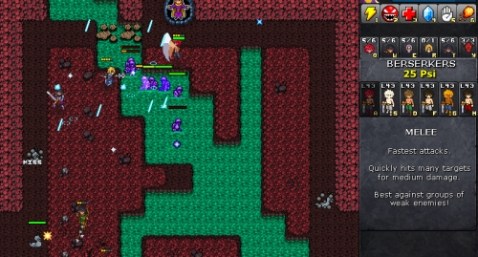
It’s not the fault of the level, it’s the fault of my own choices.
Good challenges are a little like pornography: when you see them, you know it.
Glib though that may be, the fact is that there’s no single formula that leads to a fair and enjoyable challenge every time. Heck, not too long ago I was talking specifically about challenges that work fine in one place but don’t work at all in another game or setting. So let’s be real and say that at best, you can put together the elements that should make for a good challenge whilst accepting that it might all fall apart under scrutiny.
Still, there are elements that point in the right direction. Perhaps it would be more fair to say that simply putting these things together won’t create a good challenge, but a good challenge will assemble all of these in a way that makes sense. Which brings us back to the same fundamental question in need of an answer. What makes for a good challenge?
 Recent Work
- An error has occurred; the feed is probably down. Try again later.
Chocobo Dash
- An error has occurred; the feed is probably down. Try again later.
 Eliot Lefebvre